Magnesium and Sleep: What the Research Actually Says (And Why It's Worth Trying)
Magnesium shows up in almost every sleep conversation right now — and the research behind it has gotten a lot stronger than most people realize. Here's what's actually been studied, what customers notice most, and three low-effort ways to get more tonight.
By Coach Nadira · Sleep & Recovery · 9 min read
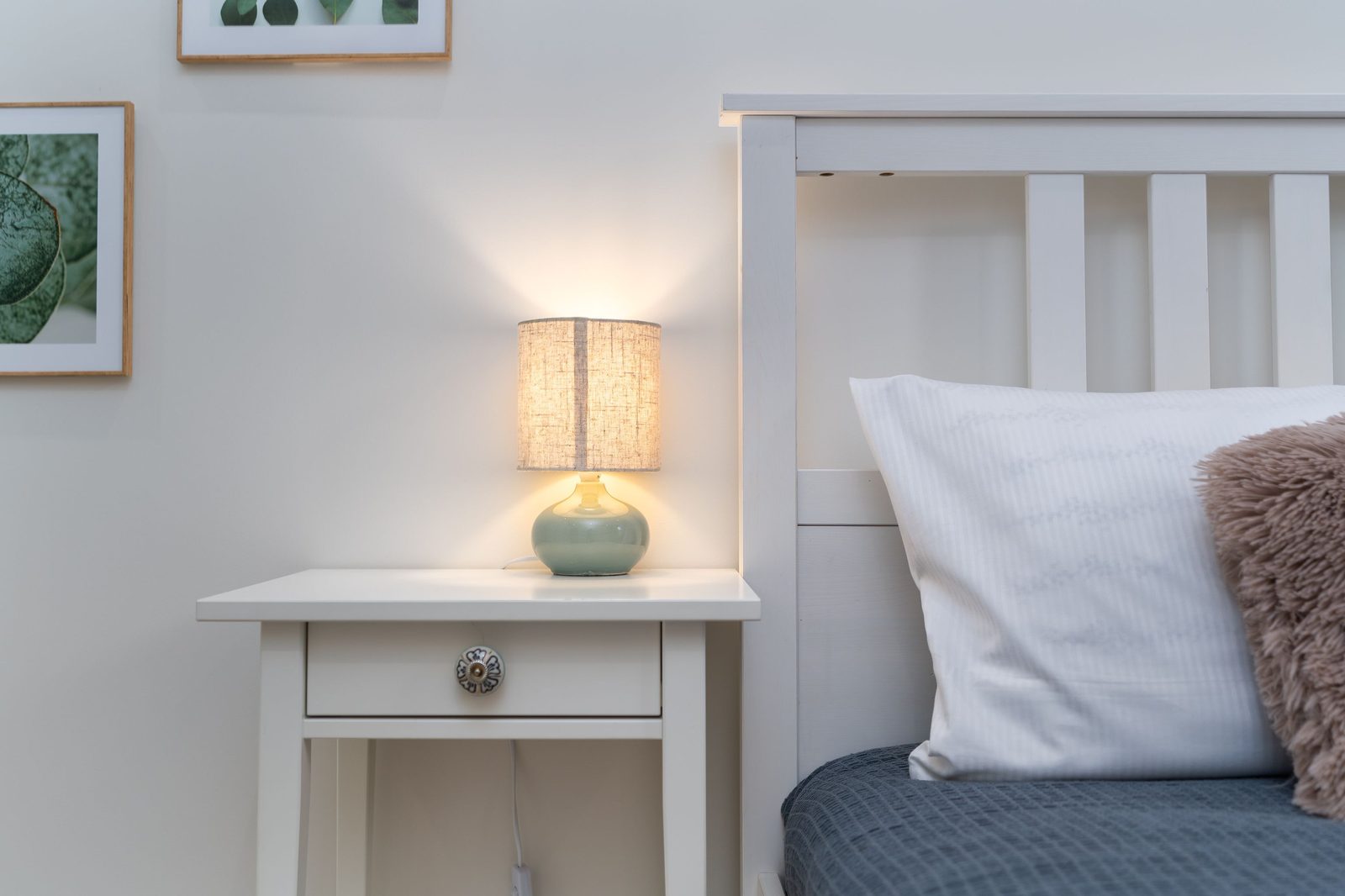
Photo by Mateusz Pielech via Pexels
If you've spent any time lately in a sleep-tips article, a wellness influencer's stories, or the supplement aisle, you've run into magnesium. It's recommended for winding down, for muscle tension, for "calming the nervous system." What's genuinely encouraging is how much of that is now backed by real research — more than it was even a couple of years ago. Here's an honest, well-sourced look at what magnesium actually does, why so many people (including a lot of our own customers) have made it part of their night, and where a ritual like ours fits in.
What magnesium actually does in the body
Magnesium is involved in hundreds of processes in the body, and a growing number of them are tied directly to sleep. A 2025 review in the journal Nature and Science of Sleep lays out several connected pathways: magnesium acts on GABA and NMDA receptors to quiet neural activity, supports the serotonin pathway that produces melatonin, helps regulate the calcium and potassium flow behind muscle relaxation, and measurably lowers cortisol, the body's main stress hormone. Researchers are still working out exactly how these pathways interact — but the individual mechanisms themselves are well documented, not speculation.
What the research says about magnesium and sleep
This is the part that's changed the most in the last few years, and it's genuinely good news.
- The numbers are better than most people think. A 2025 review pooling randomized controlled trials found magnesium supplementation cut the time it took people to fall asleep by about 17 minutes and added roughly 16 minutes to total sleep time compared to placebo. In one 8-week trial, older adults taking 500 mg a day saw meaningfully longer, more efficient sleep.
- It's not just sleep. A 2024 analysis linked supplemental magnesium to real reductions in anxiety alongside the sleep improvements — which tracks, given how directly it's tied to the body's stress response.
- People with higher magnesium levels sleep better, period. Observational research has repeatedly found that people with better magnesium status report better sleep quality, longer sleep duration, and less daytime exhaustion — one more reason so many people build a magnesium habit into their evenings.
- The one caveat worth knowing: more is not automatically better. Excessive magnesium from supplements can cause side effects, so it's worth staying within recommended amounts and checking with a healthcare provider before going higher.
The honest bottom line
Magnesium isn't a miracle cure, and we're not going to tell you it is. But between the sleep-onset data, the anxiety findings, and how common a real shortfall is, it's one of the better-supported, lowest-risk things you can add to a wind-down routine — which is exactly why it's earned the attention it's getting.
Are you actually getting enough?
Adults generally need 310-420 mg a day, depending on age and sex. By some estimates, roughly half of adults and children in the U.S. don't consistently get that much from food — which is a big part of why magnesium keeps coming up in wellness conversations in the first place.
The most reliably-absorbed source is still food: pumpkin and chia seeds, almonds and cashews, leafy greens, whole grains, beans, and fatty fish like salmon all rank high. If your plate regularly includes a few of those, you may be closer to the target than you think.
What about magnesium oil sprays and topical magnesium?
This is the part most product pages skip over, and we'd rather walk you through it properly. The idea behind "magnesium oil" (it's not actually an oil — it's magnesium chloride dissolved in water, which feels slightly slick on skin) is that magnesium can be absorbed straight through the skin, skipping digestion entirely.
The research here is newer and more promising than it gets credit for. A 2023 clinical pilot study published in the Journal of Palliative Medicine had patients apply a magnesium chloride spray daily for 12 weeks and found a statistically significant drop in nerve-related symptoms — from an average score of 6.92 down to 4.04 by week eight. Separate research reviewed by HealthCentral and Medical News Today points to topical magnesium calming skin inflammation and supporting hydration, and describes it as "a useful adjunctive option" for localized muscle soreness and cramps — one of the single most common reasons people reach for a spray in the first place.
Here's the one honest distinction we still want to draw: none of this proves that a topical spray raises your whole-body magnesium levels the way an oral supplement does — in the 2023 pilot study, blood magnesium didn't move much even though symptoms did. So if you're correcting a diagnosed deficiency, food and an oral supplement remain the better-evidenced path. But "does it raise my blood magnesium" and "does it help me relax and feel better" turn out to be two different questions — and on the second one, the evidence, including the ritual itself, is genuinely on your side.
What customers tell us they use it for
Patterns we hear often enough that they're worth sharing honestly, even without cherry-picked quotes attached to them:
- Winding down at night. A few sprays on the feet or shoulders, worked in by hand, as the signal that the day is over.
- Easing tight or tired muscles. After a long day on your feet, a workout, or a restless leg cramp at 2am.
- A calming step in an evening skin routine — something that feels good to do, not just something to check off.
Why the ritual itself is worth trusting
Here's a piece of research that surprised even us. A 2026 study in Scientific Reports had 60 women spend just 10 minutes each evening massaging a product into their skin before bed, for four weeks. Compared to a control group, the massage group saw significantly better scores on the Pittsburgh Sleep Quality Index, fell asleep faster, felt measurably less anxious, and — measured by wearable devices — slept about 22.5 minutes longer per night, with 11 more minutes of deep sleep. The researchers couldn't fully separate how much came from the massage itself versus the product versus the fragrance, and they were upfront that it wasn't randomized. But the takeaway lines up with what we hear constantly: the act of pausing for a couple of minutes each night to apply something to your skin is, on its own, a legitimately evidence-backed way to sleep better. Add real, research-supported magnesium into that same couple of minutes, and it's easy to see why this has become one of our most-loved rituals.
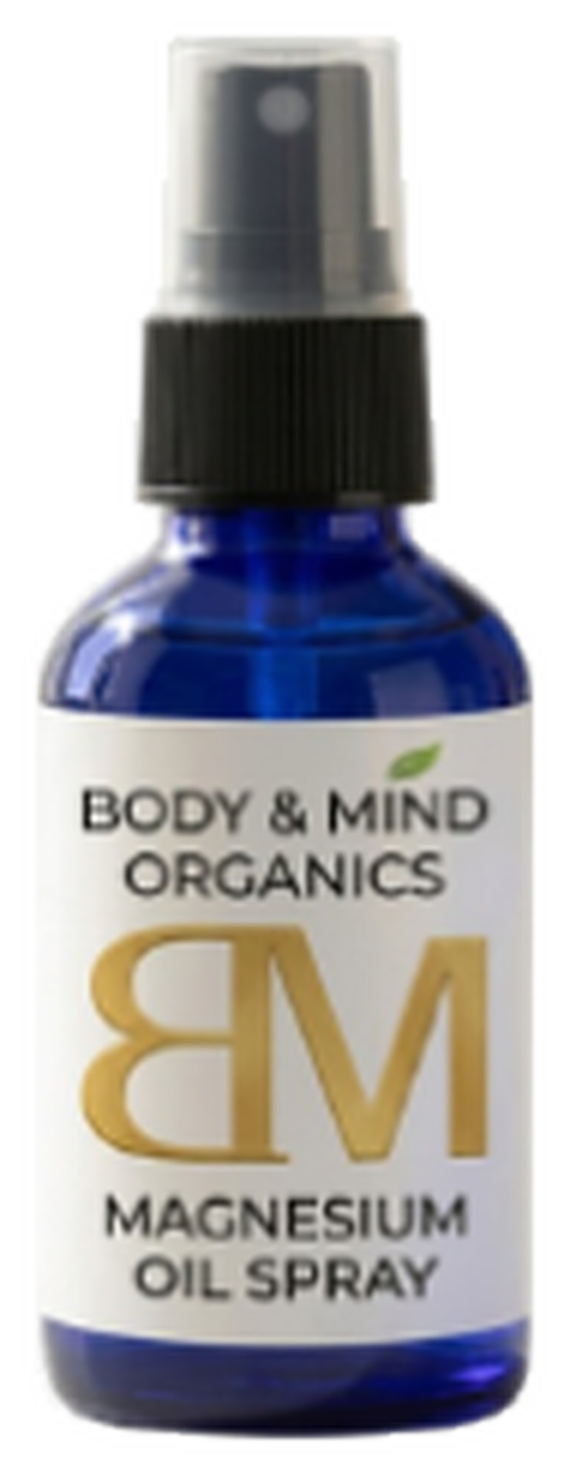
Magnesium Oil Spray — $29
Handmade in small batches by Nadira herself. A ritual, not a promise — see the full ingredient list and FAQ.
See the Magnesium Oil SprayThree low-effort ways to get more magnesium tonight
- 1. Eat toward it, not around it. A handful of pumpkin seeds, a can of beans in tonight's dinner, or salmon instead of a more processed protein all move the needle — this is the best-evidenced route by far.
- 2. Add a topical ritual for the parts food can't reach. A few sprays worked into your feet or shoulders gives you the massage-and-routine benefits the research supports, plus real (if still-emerging) evidence behind the magnesium itself.
- 3. Ask your doctor if you want to go further. If bloodwork shows an actual deficiency, an oral supplement has the best-documented absorption record, and your doctor can help you pick a form and dose — it pairs perfectly with a ritual like this one rather than replacing it.
"I made this because it changed my own nights first. I still won't call it a miracle — but I will tell you it's the best two minutes of my day, and the research backs up why."
— Coach Nadira
Sources
- "The Mechanisms of Magnesium in Sleep Disorders" (2025), Nature and Science of Sleep — mechanisms and pooled RCT results on sleep onset and duration
- Athavale et al. (2023), Journal of Palliative Medicine, "Transdermal Magnesium for the Treatment of Peripheral Neuropathy in Chronic Kidney Disease" — the 12-week magnesium chloride spray pilot study
- "A 10-minute evening skincare massage may help women sleep better and feel less anxious" (2026), summarizing a Scientific Reports study — the self-massage ritual and sleep quality findings
- HealthCentral, "Magnesium Spray: Benefits and What the Research Says" — muscle soreness, the 2024 anxiety/sleep analysis, and skin-health evidence
- Medical News Today, "Magnesium Oil Spray: Benefits and Uses" — an appropriately cautious independent read on topical evidence
- Healthline, "Magnesium Oil Benefits: Forms, Benefits, Uses, and Risks" — absorption research summary, including the 2017 and newer topical studies
- Sleep Foundation, "Magnesium for Sleep: Benefits, Types, Dosage, and Side Effects" — deficiency prevalence and food sources
- NIH National Center for Complementary and Integrative Health, consumer bulletin on magnesium and sleep — safety guidance on supplement upper limits
Frequently Asked Questions
Does magnesium actually help you sleep?
How much magnesium do I need per day?
Does magnesium oil actually do anything on the skin?
What do customers use Coach Nadira's Magnesium Oil Spray for?
Is Coach Nadira's Magnesium Oil Spray a substitute for a supplement?
Ready to make it part of your night?
$29 · handmade in small batches · ships to your door.
See the Magnesium Oil Spray